
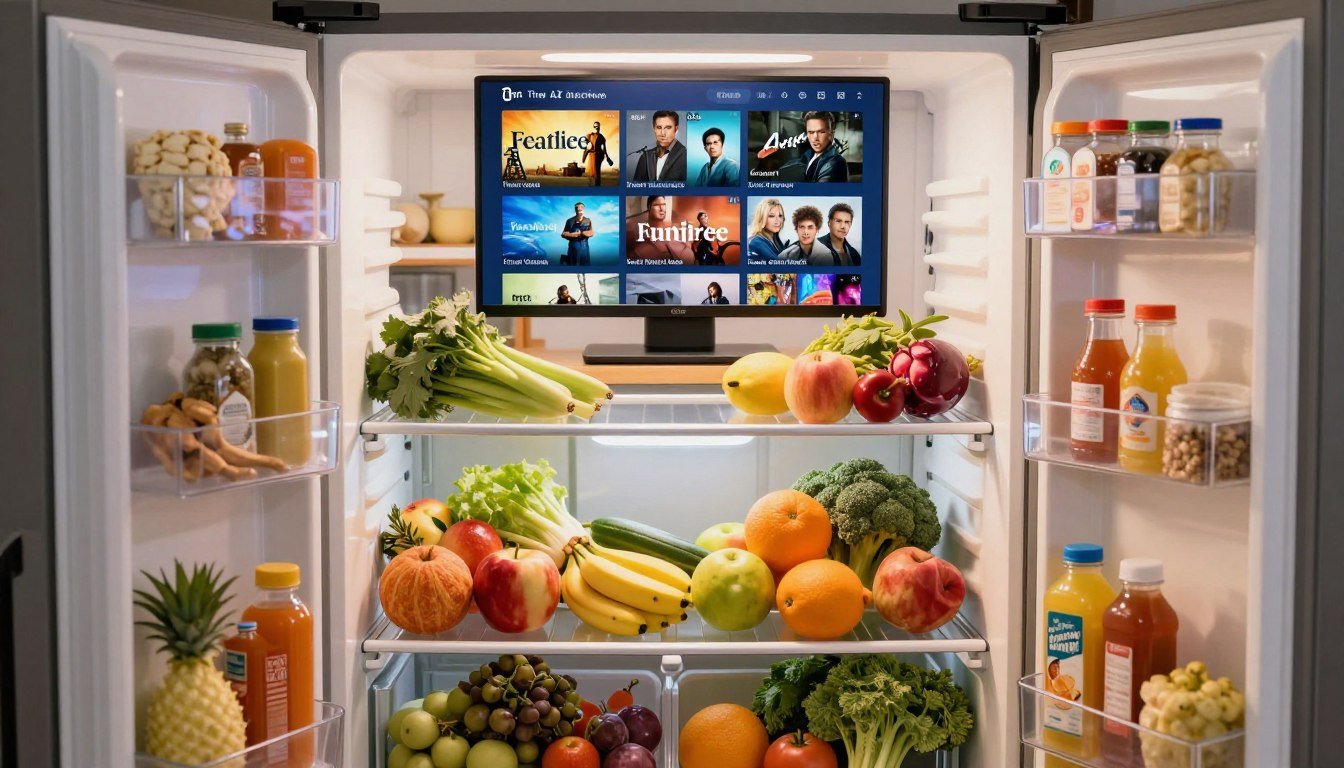
You open the fridge, then the streaming menu; reverse grocery shopping and streaming rotation for seniors can ease that standoff. Both look full, yet neither tells you what to do. Rising prices make small choices feel like a part-time job with no benefits.
Barb is the playful name for a simple household method, not a person with a backstory. Kitchen inventory means a running record of what you already have in your fridge, freezer, and pantry. Pair it with a plan to rotate paid TV services, and you can cut costs without turning life into a spreadsheet with theme music.
Older adults face enough daily challenges without sorting through endless prices, items, and menus. Small changes count, especially when they save money and mental energy. I’ll share a practical, low-pressure way to start with the food already at home.
Key Takeaways
- Check what food you have before adding more to your cart.
- Use a short list to fill real gaps and plan simple meals.
- Choose grocery delivery or curbside pickup based on your needs.
- Keep one familiar TV option and rotate one paid service.
- Ask for help with apps while staying involved in each choice.
How Does Reverse Grocery Shopping and Streaming Rotation for Seniors Cut Monthly Clutter?
Start by checking what your kitchen holds, not by adding another jar to the cart. You may already have two unopened jars of pasta sauce hiding behind the cereal. Buy the gap, not the duplicate, and use a kitchen inventory to guide each grocery trip or order.
Check what you have, then shop for the gaps. A quick inventory can prevent another jar from joining the pantry hide-and-seek team.
A kitchen inventory can live on large-print paper, in phone notes, or in a shared document. Choose the format you will actually check, not the fanciest one available.
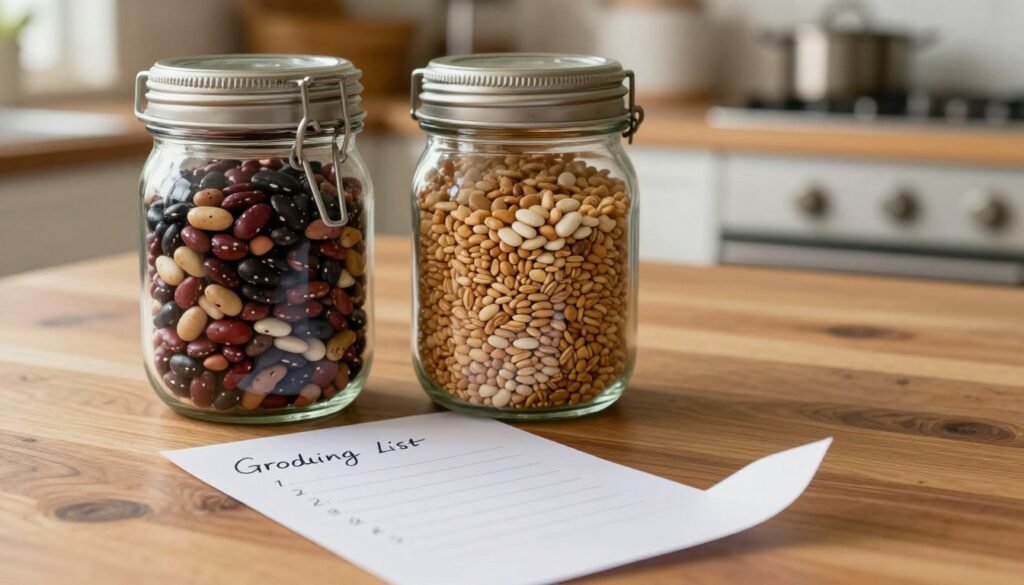
Build a kitchen inventory that works for you.
Make three clear groups: fridge, freezer, and pantry. Write down the items you use often, such as milk, eggs, bread, rice, or frozen vegetables.
You do not need to count every cracker. Track the foods that matter for your usual meals and the supplies you often forget.
Mark an item when it is low, and cross it off when it is finished. A bright marker can help the list stand out, especially on a crowded fridge door.
If you share a home, choose one place for the record. A family member can update it with you, but your choices should stay yours.
Phone notes work well if you already carry a phone while shopping. Large-print paper may feel easier if screens and tiny buttons make you want to throw the device into a couch cushion.
Shop the gaps, not the whole store
Use this four-step routine before grocery shopping:
- Check the kitchen inventory.
- Mark items that are low or finished.
- Make a short gap list for groceries you need.
- Shop or order only from that list.
A gap list can reduce wandering, duplicate purchases, and impulse buying. It can also include the missing ingredient for a meal you already want to make.
For example, if you have pasta and sauce but no vegetables, add one vegetable you enjoy. The list can include staples, planned meals, and useful snacks, not just emergency supplies.
Keep the list short enough to scan without needing a search party. If a planned recipe calls for six items, check whether you already own some before adding them.
That gap list can travel to a grocery store, a curbside pickup order, or a delivery app. Next, choose the least troublesome way to get groceries home.
Which Grocery Delivery Option Fits Your Mobility and Budget?
A doorstep order saves a trip, but carrying bags inside still takes effort. Choose based on your routine: mobility, delivery availability, and help bringing groceries inside can change the best option.
Grocery delivery orders usually start in an app or on a website. You select a store, choose items, and set preferences for substitutions or refunds when something is unavailable.
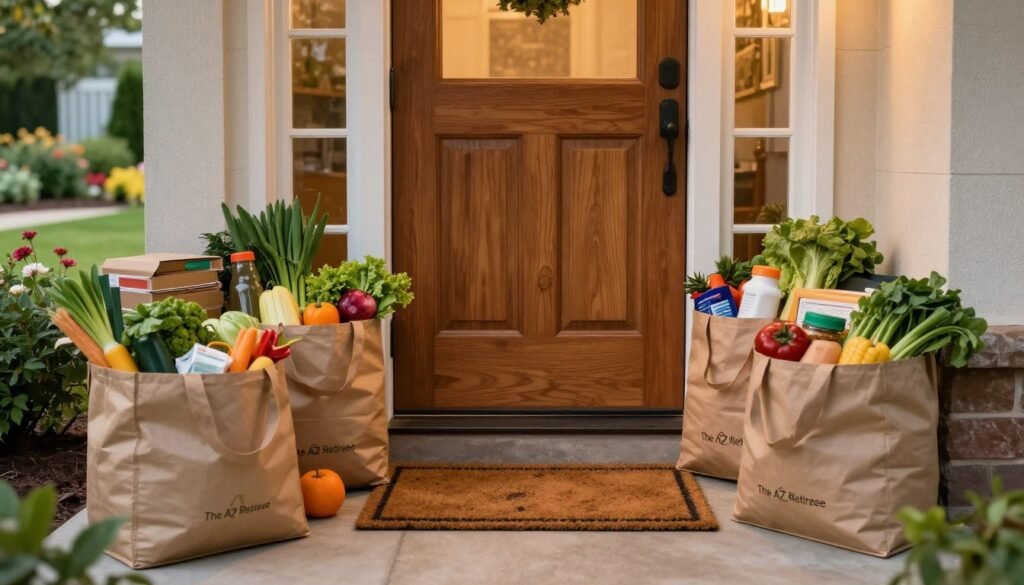
Some orders may arrive within a few hours. Delivery shoppers typically do not enter the home, and some services list higher item prices than grocery stores do.
| Option How | w food reaches you What you handle Main | in tradeoff | |
|---|---|---|---|
| Grocery delivery | Shopper brings the order to your door | Choose store and items, set substitution or refund preferences, retrieve groceries at the door | Fees and possible item markups; shopper typically does not enter your home |
| Curbside pickup | Shopper brings the order to your car | Place an order online and drive to the store | Usually lower fees than delivery, but you must drive and may use a different site or app for each store |
| Meal kit | Ingredients arrive at home | Prepare the meals and manage recurring orders | Customizable, but can cost more, create packaging waste, and require comfort adjusting orders online. |
For online grocery orders, check whether the app lets you set a refund instead of a replacement. A substitute may be useful, but nobody needs a surprise tub of cottage cheese unless they like cottage cheese.
Curbside pickup often has lower fees than grocery delivery, but it requires a drive to the store. Each store may use a different website or app, which can add another password to your collection.
Meal kits send measured ingredients for home cooking and often charge on a regular schedule, such as monthly. You can customize them, but cost, packaging waste, and online order changes may be drawbacks.
Before placing an order, check substitution settings and delivery or pickup details. Then turn from grocery costs to those recurring TV bills.
How Can You Rotate Streaming Without a Cable-Size Bill?
Keep one familiar TV option and add just one paid service for a planned stretch. One at a time is the rule: avoid paying for several rotating services at once.
Picture several apps asking for attention while you only want one familiar show. The menus multiply, your patience shrinks, and somehow the remote is under a cushion again.
Keep one familiar anchor, including FAST channels.
Your anchor could be a service you already use or a free option with ads. FAST channels are free, ad-supported streaming channels that mimic a traditional channel guide.
Tubi and Pluto TV are examples of FAST channel services. They can give seniors another option without adding a paid monthly service.
Choose an anchor that feels easy to open and use. That familiar starting point can make the rest of your TV choices feel less like a maze built by remote-control enthusiasts.
Some households already have a platform included with another service they pay for. If you use one, count it as the anchor and keep the rest of the plan simple.
Rotate one paid service at a time.
Pick one paid service for a viewing stretch of about one to two months. Decide what you want to watch before you subscribe, such as a show or a movie.
That goal gives the service a job. Without one, you may pay for days while scrolling through options and wondering why nothing looks good.
Set a calendar reminder before the renewal date. A phone alert or note on a paper calendar can give you time to decide whether to keep, pause, or cancel the service.
Cancel or pause the rotating service when you finish your goal. Check the account settings so you know how the service handles renewals and cancellations.
Streaming hours can add up when several services stay active, even if you watch only a few days each week. A single rotating choice keeps the bill easier to track.
You do not have to give up every paid show to reduce clutter. Choose a simple anchor and one planned rotation, then make both routines workable with practical support.
How Do You Keep Food Costs and Daily Routines Manageable?
A manageable week can mean simple meals, used-up ingredients, and no cooking-show audition. Keep the plan kind: choose meals that fit your budget, energy, and appetite.
A small meal plan can reduce waste without turning dinner into a complicated recipe calendar. Pick a few meals you like, then use ingredients in more than one way.
For example, beans can work in soup one day and with vegetables another. The goal is food you will eat, not a color-coded chart worthy of a museum.
Plan meals around ease, value, and what you enjoy.
Compare unit prices to see the cost per ounce or pound. A larger package isn’t always cheaper, especially if some of it goes unused.
Store brands are often 20-30% less expensive than name brands, though savings vary by item and store. Try them for foods where taste and quality matter.
Fresh produce can be a good fit, but frozen or canned produce may cost less and take less prep. Choose what suits your budget, cooking setup, and food preferences.
Four useful budget moves can keep shopping practical:
- Compare unit prices before choosing a size or brand.
- Check store brands for foods you buy often.
- Use seasonal or frozen produce when it fits your needs.
- Portion and freeze extra servings for another meal.
Digital coupons usually require a retailer’s website or app. You may need a barcode or account details at checkout, so skip them if another login feels like unpaid homework.
These small choices can lower food costs without making every meal a bargain-hunting contest. Keep the foods and flavors you enjoy in the plan.
Use support without giving up control.
SNAP benefits can cover online grocery orders at many participating retailers. Check which stores take the benefits and whether online ordering works in your area.
Meals on Wheels may offer prepared meals, with costs based on individual circumstances. Meals may be free or involve a small fee, and local availability varies.
Eligibility rules and meal options can differ by program and area. Ask a local office or program about the rules that apply where you live.
A trusted person can help set up an app, account, or payment method. Stay involved in choosing food and placing orders, even when someone else handles the screen.
Technology help should support your choices, not make them for you. Keep your voice in the order, from the food to the final checkout.
Ask for help with one task at a time, such as saving a store login or finding digital coupons. Small support can make online shopping easier without handing over control.
The best routine is one you can keep using, not one that looks perfect on paper. Try a short meal plan or check local support, then adjust as your needs change.
Conclusion
A small reset can beat a full household overhaul. Buy groceries to fill real gaps, and keep only one paid streaming service in rotation.
Start with one concrete move: choose a kitchen-inventory format and write down what is already at home. That can help you plan the next grocery trip without buying items you already own.
Try the inventory for your next shopping cycle and see whether it helps. Let the routine earn its place before adding more tools or another app.