
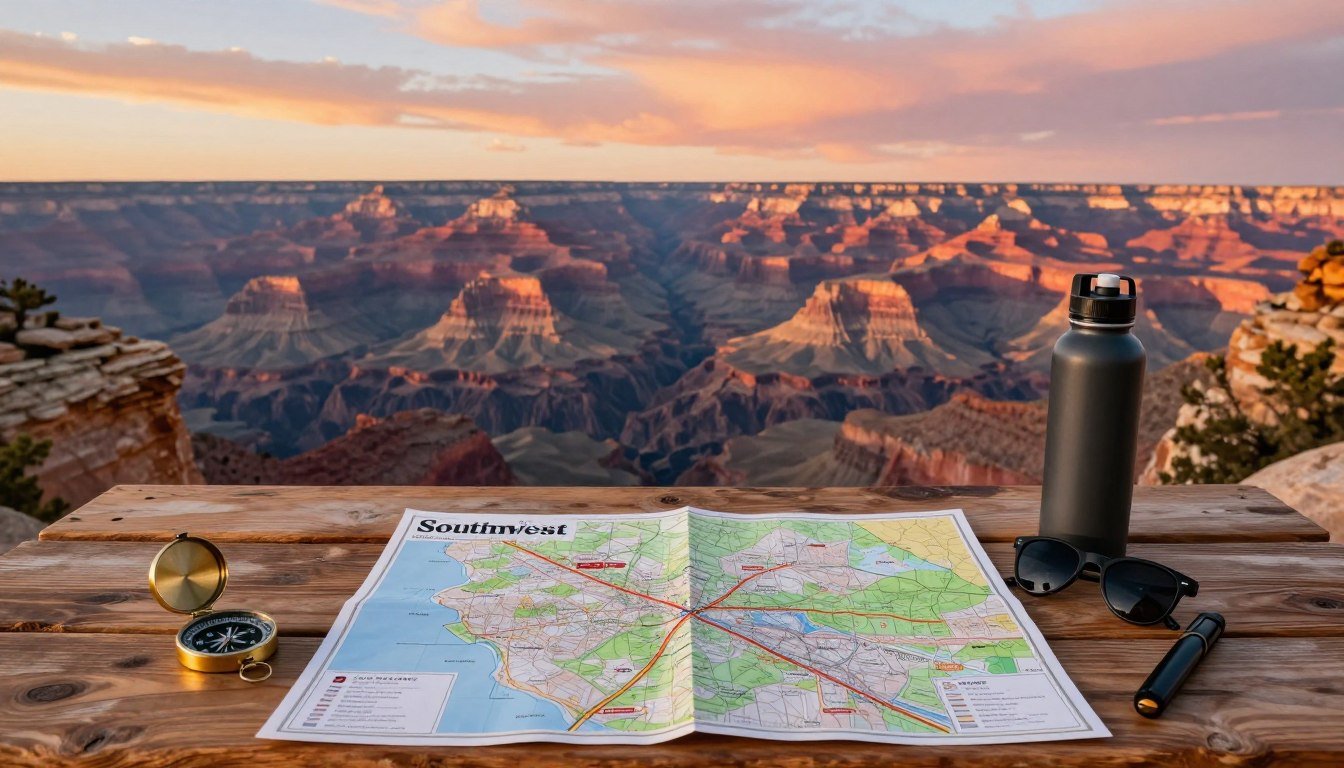
You study a Southwest map and realize every canyon seems to be “just one more stop.” I once planned a trip that looked tidy on paper and exhausting everywhere else.
Saving money should not mean cramming every park into one trip or racing from sunrise to bedtime. A comfortable vacation can include scenic overlooks, shorter walks, and real rest stops.
You do not need to prove anything to a map. I tend to overplan until even the gas stations look like must-see attractions, so I know the trap.
A better budget leaves room for comfort, good views, and decent meals without making each day a test of endurance. The best plans start with a sensible order of decisions, beginning with when you travel.
Key Takeaways
- Choose dates that fit the weather and your preferred pace.
- Pick a few scenic areas instead of chasing every famous park.
- Set driving days around your comfort, not a map’s optimism.
- Compare park passes, lodging, food, fuel, and rental costs.
- Check access details and leave room for rest.
When Should You Travel for Better Weather and Smaller Crowds?
A summer parking lot full of cars and a thermometer climbing is a persuasive argument for changing dates. For many Southwest parks, shoulder season means travel between peak and low seasons, often with milder conditions and thinner crowds.
March, April, October, and November are common shoulder-season options, though weather and access vary by elevation and destination. Summer brings intense heat and heavy crowds in many Utah parks, while winter can offer solitude and seasonal closures.
Choose shoulder-season dates when they fit your route, then check local weather and park access before you book.
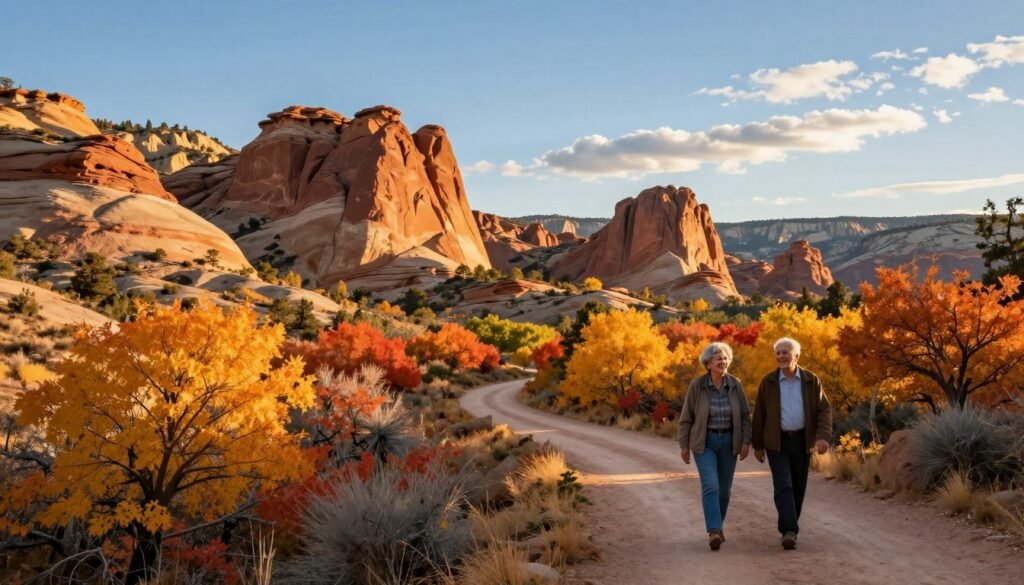
Winter can be peaceful, but it changes what you can reach. The Grand Canyon North Rim is inaccessible in winter, so a quiet forecast does not guarantee an open road.
Summer still works for some travelers, especially when plans account for heat and busy places. Elevation matters: a high-country stop can feel very different from a desert town on the same trip.
Before setting dates, check current park access, road conditions, and weather for each destination. Closures can affect roads, trails, shuttles, and services, so check seasonal notices again near departure.
- March: shoulder-season option, with conditions that vary by elevation.
- April: often milder than summer, but check local forecasts.
- October: a common choice for thinner crowds and mild conditions.
- November: another option, with seasonal closures to watch for.
Use the calendar to find a workable window, not a promise of perfect weather. Once the dates are plausible, move from the calendar to choosing a manageable route.
How Do Frugal Southwest Road Trip Tips for Seniors Shape a Scenic Route?
A map can make a 700-mile route look like a casual afternoon, right up until your back files a formal complaint. Choose a few areas that match your energy and interests, rather than turning a road trip into a mileage contest.
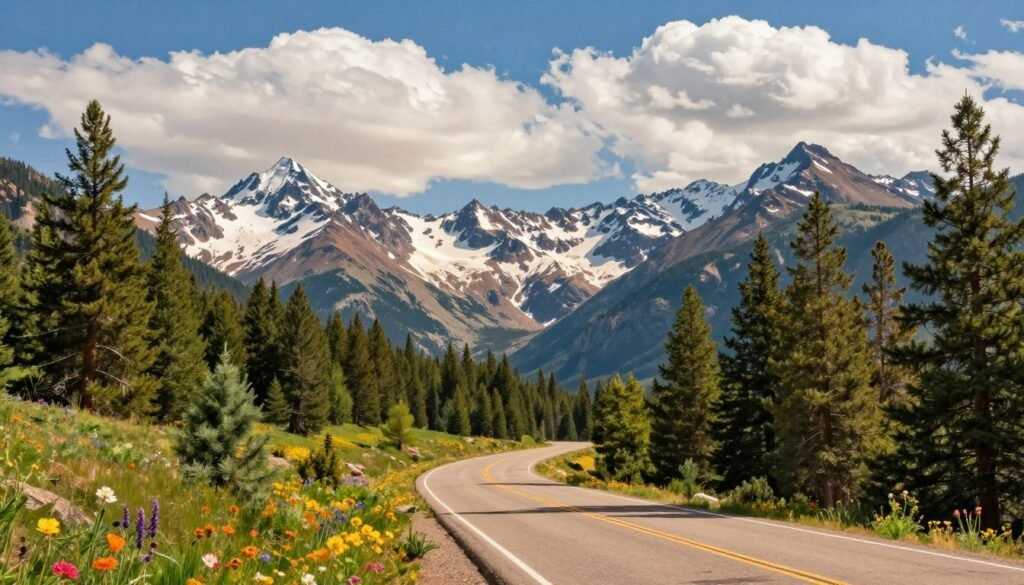
A Denver-to-Salt Lake City itinerary covers about 746 miles over five days and brings Colorado mountain scenery together with Utah parks such as Arches or Canyonlands.
Denver to Salt Lake City for Alpine Scenery
This high-country road trip suits travelers who want mountain views alongside time in Utah parks. Five days gives the drive room to breathe, though the best number of stops depends on your pace and where you go.
Pick either Arches or Canyonlands if both would make the schedule feel crowded. You can enjoy a park more when you are not watching the clock like a nervous airport gate agent.
Extra road miles add fuel costs and fatigue. A rental car that handles paved roads may not suit every dirt-road destination, and some routes need higher clearance.
Las Vegas Through Utah’s Red Rock Parks
Starting in Las Vegas offers a different trip through Utah’s red-rock country toward Bryce Canyon and Page. The route can include striking views, but adding every park means more driving and less time to enjoy each stop.
Some remote dirt roads call for higher-clearance vehicles. Check the road before choosing a rental, rather than assuming every scenic spot has a smooth, paved approach.
Both routes can work on a budget when you keep the itinerary focused. Narrow the route to a few areas, then compare which stops give you the best scenery for the least walking.
Which Scenic Stops Offer Big Views With Less Walking?
A spectacular view does not have to require a heroic hike and a documentary crew. Drive-to viewpoints, shuttles, and short paths can bring memorable scenery within easier reach.
The Grand Canyon South Rim has paved rim paths and shuttle service, while Bryce Canyon has drive-to viewpoints and a shuttle option. Sedona also offers bus tours and some flat, paved walking options.
| Stop | Scenery | Lower-walking viewing option | Pacing note |
|---|---|---|---|
| Grand Canyon South Rim | Wide canyon views | Paved rim paths and shuttle service | Choose one viewpoint at a time |
| Bryce Canyon | Hoodoos and rim views | Drive-to viewpoints and shuttle option | Allow time between viewpoints |
| Sedona | Red-rock formations | Bus tours and some flat, paved walks | Check tour stops and walking needs |
The Grand Canyon can reward a short visit, especially when you choose a rim viewpoint rather than a long trail. A shuttle can help connect places, but its schedule and stops matter to your day.
Bryce Canyon offers several viewpoints you can reach by car, with a shuttle option in the park. In Sedona, a bus tour may suit you better than driving between busy trailheads.
Check current access, shuttle operations, and conditions before visiting. A paved path can still have a slope or a long stretch, so plan around what feels comfortable to you.
After choosing the stops, check what park entry and recreation passes could cost.
How Can You Pace Driving Days Without Wearing Yourself Out?
A day that is technically possible on a map can still feel like an endurance event by lunchtime. Set a comfortable limit first, then fit sightseeing around the drive.
When comfort is the priority, aim for about two to four hours of driving in a day. Many travelers adapt the informal 3-3-3 rule, commonly described as no more than 300 miles daily, arriving by 3 p.m., and staying three nights.
Versions of the 3-3-3 rule vary. It is a rule of thumb, not an official standard, and your needs matter more than its neat numbers.
If a longer road day is unavoidable, build in long breaks instead of treating the gas pedal as a personality. Pick a short list of realistic stops and leave time for a meal and check-in before dark.
A drive day works better when you know what would make you cut it short. Here is a simple way to build one without turning every mile into a deadline.
- Choose the day’s main destination and check the driving time.
- Pick a few realistic stops, not every pin on the map.
- Set aside time for a meal and a proper rest break.
- Plan to check in before dark, with room for delays.
Keep the day’s purpose clear: reach one place and enjoy it, rather than collecting roadside signs like trading cards. A flexible plan also makes it easier to skip a stop that feels like too much.
Arriving late can lead to rushed check-ins, unplanned meals, or extra spending to make up for a day that ran long. A gentler schedule can also reduce the urge to spend extra money to rescue an overstuffed day.
Which Park Passes and Fees Can Reduce Entry Costs?
One pass can be a bargain, but only if your route makes use of it. The America the Beautiful Senior Pass can help eligible travelers who visit several federal recreation sites.
U.S. citizens and permanent residents age 62 and older can buy the senior annual pass for $20 or the lifetime pass for $80. The pass covers entrance fees at national parks and other federal recreation sites.
| Pass Price What | at it covers | |
|---|---|---|
| Senior annual pass | $20 | Federal recreation site entrance fees; 50% off some camping and amenity fees |
| Senior lifetime pass | $80 | Federal recreation site entrance fees; 50% off some camping and amenity fees |
| Standard annual America the Beautiful pass | Check current price | Entrance fees at national parks and other federal recreation sites |
The senior pass has an age and residency requirement. It does not automatically cover every expense, and some fees or reservations can remain separate.
A pass usually pays off best when your itinerary includes multiple federal recreation sites. One park visit may not justify buying a pass, so compare the route’s entry costs with the pass price.
The senior pass offers a 50% discount on some camping and amenity fees. That discount applies to some fees, not every campground or service, so check the current rules for your plans.
Pass rules and prices can change. Confirm current details before travel, especially if you plan to use the pass for several stops. With admission costs clearer, decide where you will sleep without creating a new budget crisis.
Where Can You Stay Without Overspending?
“Free campsite” sounds wonderful until the site turns out to be a rough dirt road and a bathroom-shaped mystery. Choose lodging by weighing comfort, road access, and distance to the next day’s stop.
Free camping may be available on some Bureau of Land Management and National Forest lands near popular parks. Campers must follow the land manager’s rules and use designated or previously established sites where required.
Free or Low-Cost Camping Near Public Lands
Dispersed camping means camping outside a developed campground where permitted. It can save money, but services may be limited, and a cheap night is less appealing when the access road feels like a laundry machine.
Check the land manager’s rules, road conditions, available toilets, and distance to tomorrow’s stop. Some dirt access roads do not suit every vehicle, so do not assume a rental car can handle them.
A trailhead parking lot is not automatically an overnight campsite. Stay there only when local rules explicitly allow overnight camping.
Hub-Town Hotels and Developed Campgrounds
A hotel or motel in a nearby hub town offers a bed and indoor bathroom without requiring you to camp. Developed campgrounds provide facilities that dispersed sites may lack, though the setting and amenities vary.
Consider what you will need after a long day: an easy check-in, a nearby toilet, or a quieter place to rest. A location farther from the park may cost less, but it can add road time each morning.
Before booking, compare the overnight spot with your next day’s route. A low price is less useful if reaching the site means a rough road or a long drive in the dark.
Once the overnight plan fits your comfort level, make the food plan just as practical.
What Food Hacks Keep Meals Affordable and Easy?
The snack you packed is suddenly worth its weight in gold when the next town is still a long way off. Simple meals can lower food costs without turning your vacation into a cooking competition.
A budget meal out in the United States can cost about $15-$20 per person. Prices vary by place and meal, so a few easy meals can make daily spending more predictable.
| Meal | Simple option | Why it travels well |
|---|---|---|
| Breakfast | Oatmeal and fruit | Quick to prepare with little gear |
| Packed lunch | Tortillas with shelf-stable fillings | Easy to pack and eat on a break |
| Easy dinner | Pasta with jarred sauce | Uses simple ingredients and basic cookware |
Use a cooler for perishables and keep a refillable water jug within easy reach. Pack snacks for long gaps between towns so hunger doesn’t get a vote on every purchase.
Choose food that suits the place you are staying. A small room with no kitchen calls for meals that need little gear, while a campsite may offer space to cook.
Restaurant meals still have a place in a budget trip. They can be worth the cost when you arrive tired, lack safe food storage, or want a break from your own menu.
Keep food supplies easy to reach, especially on long drives between towns. A sensible food plan helps, but the vehicle and fuel choices can quietly decide the rest of the budget.
How Do You Keep Fuel and Rental-Car Costs Under Control?
The cheapest rental can stop looking cheap once you add insurance, luggage, and fuel. Compare the full cost, not just the advertised daily rate.
Fuel is often a major road-trip expense, and remote desert stretches call for advance fuel planning. The right car should fit your route and luggage without adding unnecessary vehicle costs.
| Cost area What | t affects it Practical | l check |
|---|---|---|
| Fuel | Distance, car efficiency, remote stretches | Plan fuel stops before isolated roads |
| Rental car | Daily rate, insurance, pickup and return location | Compare the full rental total and terms |
| Parking | Destination rules and parking access | Check where the car can stay at each stop |
Compare the total rental cost, including insurance terms, pickup and return location, and any added charges. A low daily rate can grow once the rest of the bill appears.
Check whether the car has enough room for your luggage and passengers to ride comfortably. A cramped back seat can turn a scenic drive into a long complaint with cup holders.
Ask whether your route actually requires higher clearance. Do not pay for a larger vehicle solely for an optional dirt-road detour you may decide to skip.
Plan fuel before remote stretches, rather than waiting for the warning light to join the trip. Once transportation is sorted, make sure the stops themselves are comfortable and accessible.
How Can You Check Whether Stops Fit Your Mobility Needs?
“Accessible” can mean a paved path at one stop and a long, uneven approach at the next. Check each place on its own, rather than relying on a single label for the whole park.
A scenic drive, paved viewpoint, shuttle, or tour may fit better than a strenuous trail. The Grand Canyon South Rim has paved paths along the rim, viewing areas designed for visitors with mobility concerns, and shuttle services.
Choose Low-Walking Viewpoints
A viewpoint near parking can offer a satisfying stop without a long walk. A shuttle or guided tour may also reduce the distance between the car and the scenery.
Think about the whole visit, not only the trail. A short path can still feel hard if it has a steep grade, little seating, or a long gap between restrooms.
Confirm Access Before You Arrive
Check current parking, path surface, grade, seating, restrooms, shuttle access, and construction details with the attraction. Access can vary within one park, and a general accessibility label cannot promise that every route will suit you.
Ask a specific question about the date you plan to visit. For example, ask whether the shuttle or the viewpoint you want is operating that day.
Conditions can change, and a route that looks manageable online may include a slope or a surface you would rather avoid. Confirm the details that matter to you before building the stop into your day.
After confirming the stops, prepare for the heat and distance between services.
How Do You Stay Safe in Desert Heat and Remote Areas?
Desert air has a sneaky way of making “I’m probably fine” a questionable medical strategy. Plan for heat and long gaps between services before you leave town.
Carry more water than the immediate stop requires, drink regularly, and check local heat alerts. Do not leave anyone or pets in a parked car in dangerous heat.
Take extra water, plan fuel ahead, and never leave people or pets in a car during dangerous heat.
Remote stretches can have long distances between fuel stops and services. Plan where to refuel before you head out, and keep a charged phone with a paper route backup.
Tell someone your day’s plan, including where you expect to go. A paper map can help when a phone loses service, which is a very poor time for a screen to become decorative.
Use this short checklist before driving into a remote area:
- Carry extra water and drink regularly.
- Check local heat alerts before setting out.
- Plan fuel stops and keep a charged phone.
- Bring a paper route backup and share your day’s plan.
Personal hydration and heat risks differ. Talk with a health professional about concerns tied to your health or medicines before the trip.
Safety basics are covered; now pack the small comforts that can make hours in the car easier.
What Should You Pack for a More Comfortable Trip?
The glamorous road-trip fantasy rarely includes searching for a charger while your phone is at 2%. Pack for comfort and the small needs that can make a long drive harder when forgotten.
Keep prescriptions, a medication list, and essential travel details easy to reach. A little planning helps you avoid digging through a suitcase in a parking lot.
Comfort for the Drive
A lumbar support cushion can help you settle into the car, while a light layer handles changing temperatures. Walking poles may help on uneven ground if you already find them useful.
Bring reading glasses, a phone charger, and a refillable water container. Keep printed reservations and emergency contacts with your travel papers, not buried under the spare shoes.
A small bag within reach can hold the items you use often. That way, a phone cable does not become the star of an unnecessary roadside scavenger hunt.
Simple Hygiene and Easy-to-Miss Essentials
Pack prescriptions in their usual containers and carry a medication list. Add anything you rely on each day, even if it seems too ordinary to forget.
- Lumbar support and a light layer for the car.
- Walking poles for uneven ground, if useful.
- Prescriptions, a medication list, and reading glasses.
- Phone charger, refillable water container, and printed contacts.
- Reservation details and emergency contact information.
A quick sponge bath may suit some travelers between showers. A real shower may feel worth paying for after a dusty day or several nights outdoors.
Truck-stop showers can cost about $5 or less, though fees vary by location. Check the facilities before paying, and use your judgment about cleanliness and timing; not every stop has showers.
A packed bag can prevent small annoyances, and asking about age-based discounts can trim a few costs too.
Which Senior Discounts Are Worth Asking About?
A discount is only a deal if it applies to the plan you were already going to book. Ask about senior rates, but do not assume every place offers one.
Discounts and age rules vary, so check directly and compare the final price. A discount label doesn’t always mean the total costs less than another option.
Ask museums, gardens, tours, lodging, rental-car desks, local transit, and restaurants about age-based rates. Some Phoenix-area attractions may offer senior discounts, though the deal depends on the business.
Check the terms before booking, including the required age and any limits on dates or ticket types. A lower rate may apply only to certain choices, so compare the price you would actually pay.
Look at the final cost rather than the advertised discount. A small saving on a place you already planned to visit is more useful than a big offer that sends you far off course.
Ask when you book and again at the desk if the rate is not clear. A quick question can save money and doesn’t require rearranging the itinerary.
Keep the savings in perspective: discounts vary by business and location. The last budget check is making sure tempting extras do not pull the route off course.
How Can You Avoid Budget-Busting Detours?
“It’s only a little detour” is how a relaxing afternoon becomes an unplanned fuel bill. Sort stops by priority before you start adding miles.
Check added mileage, road surface, parking, and access conditions before leaving. A detour should earn its fuel and time by offering something you want, not just a social-media post.
Mark must-see stops separately from optional ones. When the day runs long, you can skip an extra place without feeling that the whole plan has failed.
Check whether a side road is paved and whether the destination is open or reachable. A short line on a map can hide a slow drive, limited parking, or an access closure.
Free scenic pullouts and short walks can make a good detour when they fit the day. They are less appealing when reaching them adds hours or leaves you too tired to enjoy the main destination.
Use a simple test: would you still want this stop if it had not appeared in your feed? If the answer is no, keep the money and time for a place you chose yourself.
With the optional miles under control, make one final check for the stop that could turn a tired day into a cranky one.
How Do You Plan Stops That Prevent Cranky Travel Days?
The cheapest itinerary in the world is a bad bargain if everyone arrives ready to argue with the GPS. Plan practical breaks as part of the drive, not as extra sightseeing.
Schedule time to stretch, eat, use a restroom, and refill supplies. Avoid stacking a long drive, a late check-in, and an ambitious attraction into one day.
A planned break can cost less than fixing a day that has gone sideways. Shorten the drive when fatigue or delays start to build.
Planned breaks meet basic needs; sightseeing stops add a place to explore. Keeping those two jobs separate makes it easier to tell when the schedule needs more room.
One well-chosen rest stop can prevent an impulse hotel or restaurant spend when everyone is worn out. A bathroom break and a stretch are often cheaper than trying to repair a miserable afternoon.
Watch for signs that the day needs to shrink:
- Fatigue keeps getting worse.
- A planned meal has been missed.
- The schedule keeps slipping again and again.
- Driving feels uncomfortable or hard to manage.
Do not treat those signs as a challenge to push through. Skip an optional stop or make the next break longer, then give the rest of the day room to change.
Leave room for a slower day and carry that realistic pace into the final travel decision.
Conclusion
A good Southwest trip does not need to collect every park like a set of trading cards. A few well-chosen stops can make the views more enjoyable and the days less tiring.
Comfort planning helps you save money. A workable schedule can help you avoid rushed choices, extra miles, and spending more simply because everyone is worn out.
Start with one clear next step: choose your travel dates and circle three priority destinations before booking. Build the route around those places, then add only what fits your pace.
Choose those three stops, then let the rest of the route follow at a human pace.