
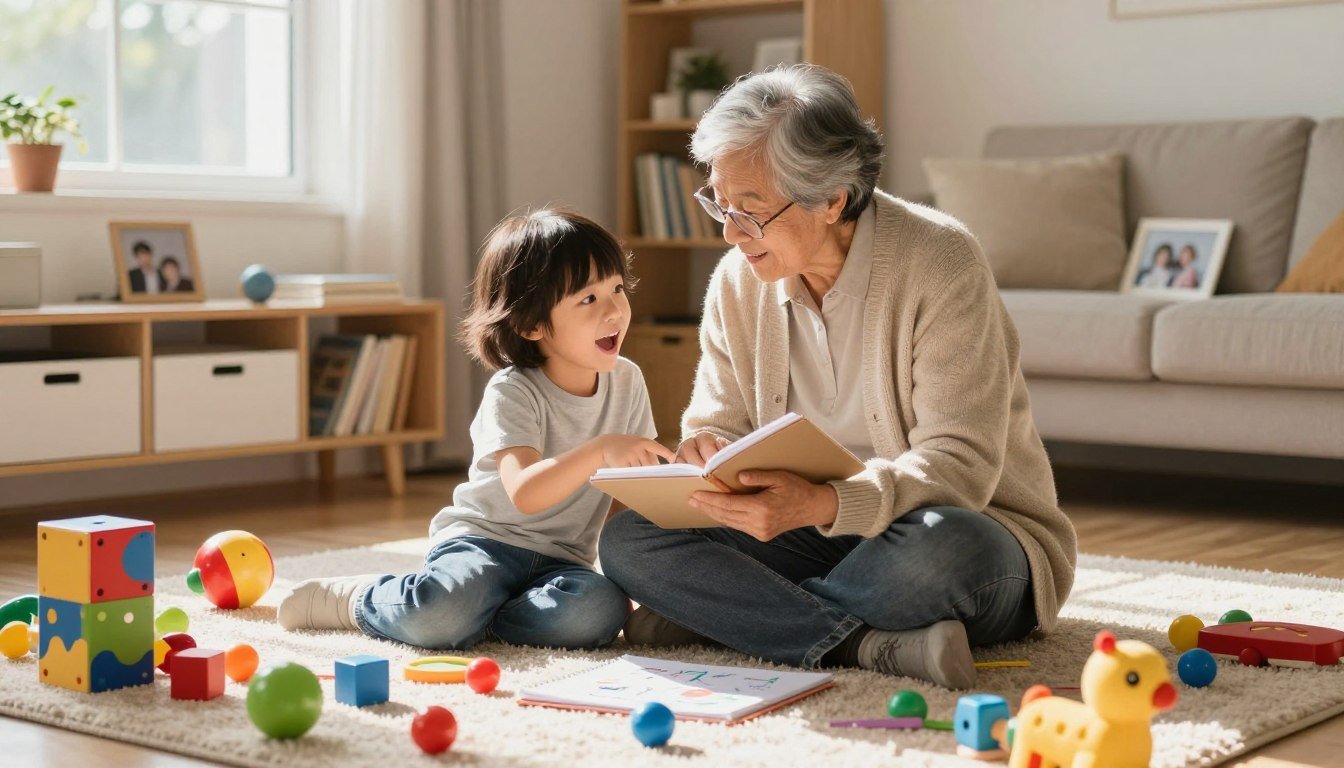
One more toy joins the living-room pile, where it may spend the year beneath a blanket fort and three mystery pieces. A day together sounds like a welcome change, and low-cost experience gifts for grandkids can make that happen without a giant budget.
Low-cost means thoughtful and manageable, not always free. A simple plan can feel special without adding another plastic resident to your home. I’ll share practical choices for different interests and budgets, from quiet time at home to outings worth remembering.
The best gift starts with more than the price tag. Understanding why shared time matters can help you choose one that fits.
Key Takeaways
- Shared attention can matter more than the cost of an activity.
- Choose around the child’s interests and your family’s practical limits.
- Free outings and simple home plans can feel like real gifts.
- Ask the parents about timing, access needs, and logistics.
- A date on the calendar helps turn a gift into time together.
Why can shared experiences beat another toy?
The best part of an outing is often the person sharing it with the child. Your attention can make an ordinary activity feel special, while another toy may lose its shine after a week.
A shared experience works best when you take part, not when you simply hand over a voucher. A child can look forward to the plan, enjoy your company during it, and remember the small moments afterward. That is a different kind of gift from an object that gets opened and then joins the toy pile.
A shared experience works best when you take part, not when you simply hand over a voucher.
That does not mean every outing becomes a treasured family legend. A tired child, a rainy day, or a snack emergency can turn a neat plan into a small comedy. The point is not to stage a perfect day. It is to spend time together in a way the child can enjoy.
Anticipation is part of the fun, too. Talking about the outing gives the child something to imagine before it happens. Later, a favorite detail can become a memory you both bring up again, even if the highlight was a lopsided cookie or an especially dramatic duck.
A 2013 article in the Journal of Personality and Social Psychology found that social parts of purchases help explain why experiential spending can make people happier. The finding does not promise that every activity makes every person happy. It points to the value of the people involved, not just the experience itself.
That is useful news for grandparents with modest budgets. A thoughtful experience gift does not need a fancy venue or a stack of tickets. It needs a child who wants to do the activity and someone willing to join in, listen, and perhaps lose graciously at a game.
So, start with a simple rule: choose something the child would enjoy doing with someone they love. Once the company is part of the plan, there are plenty of affordable experience gift ideas to consider.
Low cost experience gifts for grandkids that feel personal
A handmade coupon for a grandparent-and-grandchild date can be as simple as, “One park afternoon with me.” Personal beats polished here, and the coupon can promise an activity rather than expensive stuff.
The best gift ideas depend on the child and local costs, not on one universal price. These six options can bend to different interests, schedules, and budgets. You can keep the plan modest without making the gift feel like an afterthought.
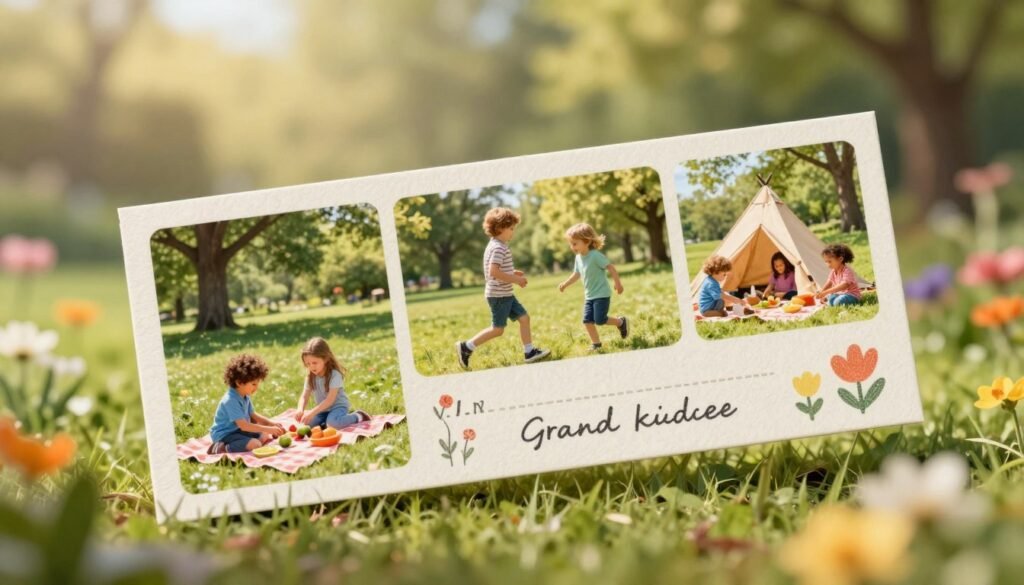
- Make a coupon book for time together. Offer a park date, story time, or movie night at home. Let the child choose one coupon, then join in rather than turning into the event’s unpaid ticket clerk. Keep costs down with paper you already have and activities that need little or no gear.
- Plan a library discovery visit. Give the child time to pick books, explore a new section, or attend a free event if one is available. You can read together or let the child lead the search. Check the library’s event details, and keep the outing free by borrowing rather than buying books.
- Take a park picnic with a nature hunt. Bring food from home and look for shapes, colors, birds, or interesting leaves. You can make a simple scavenger list together, then help the child spot each item. A nearby park and snacks from your kitchen keep the cost controlled.
- Host a baking or craft session at home. Choose a recipe or project that suits the child, then make it side by side. The finished cookie or craft is a bonus; the shared mess is the real event. Use supplies already on hand, and skip the specialty kit that costs more than the activity deserves.
- Set up a one-on-one treat date. Meet for ice cream or hot chocolate and let the child pick the conversation topic. You can ask about a favorite book, a new hobby, or the current rules of recess, which apparently have more updates than software. Choose a simple treat and agree on a spending limit before ordering.
- Try mini-golf, or choose bowling instead. Play a round together and make the fun about sharing the game, not keeping score like a tiny golf champion. If bowling suits the child better or costs less nearby, switch plans. Check the local cost first, then pick a simple outing that fits your budget.
A child who dislikes crowds or competition may prefer the quieter coupon-book, library, or home option. That preference matters more than choosing the activity that sounds most exciting to adults. A relaxed afternoon can be a better fit than a crowded venue with a scoreboard and loud shoes.
These gift ideas can be easier to budget when you check what is available nearby before committing. A free library event or park can shape the plan just as well as a paid outing. Local options may also open the door to passes or memberships.
Where can you find affordable experiences near you?
Start with your library and parks department before searching farther afield. Nearby basics can reveal free events, passes, and family activities without requiring a cross-county expedition.
Fees and benefits depend on the location and the terms of each pass. If you search for low cost experience gifts for grandkids near me, check libraries, parks departments, museums, zoos, and community calendars. Many libraries offer museum passes or event access, but each library sets its own rules and availability.
Start with free community and outdoor options
A community calendar may list concerts, nature programs, outdoor movies, or seasonal events. Parks departments can share trail maps, playground details, and recreation programs. These family experience gift ideas near me can be easy to reach, though parking, supplies, or activity fees may still affect the total cost.
The U.S. Every Kid Outdoors program offers fourth graders and their families access to a free national-park pass. Check the program’s current eligibility and details before building a trip around it. Some participating AZA member zoos also offer reciprocal admission benefits at other participating zoos. Reciprocal admission means admission benefits a participating institution may extend to members of another institution, such as discounted or free entry.
Compare passes, memberships, and single visits
A single day pass may suit a family unsure how often they will visit. A membership may make more sense for frequent visits, especially when its benefits match the family’s plans. Before you choose, confirm current participating zoos and the terms of any reciprocal benefits.
| Option | Where to check | Budget detail to verify |
|---|---|---|
| Library passes | Library desk or event page | Pass limits, booking rules, and fees |
| Parks | City or county parks department | Parking, permits, and activity costs |
| Zoo membership | Zoo membership page or office | Visit terms and reciprocal admission rules |
| Museum day pass | Museum site or library pass list | Ticket price, entry date, and pass limits |
A membership is not automatically a bargain, even when its brochure looks cheerful. Count the visits your family is likely to make, and compare the included benefits with the single-visit cost. Once you find a place that fits, choose an activity that works for the child and your family’s plans.
What can you do together at home or outdoors?
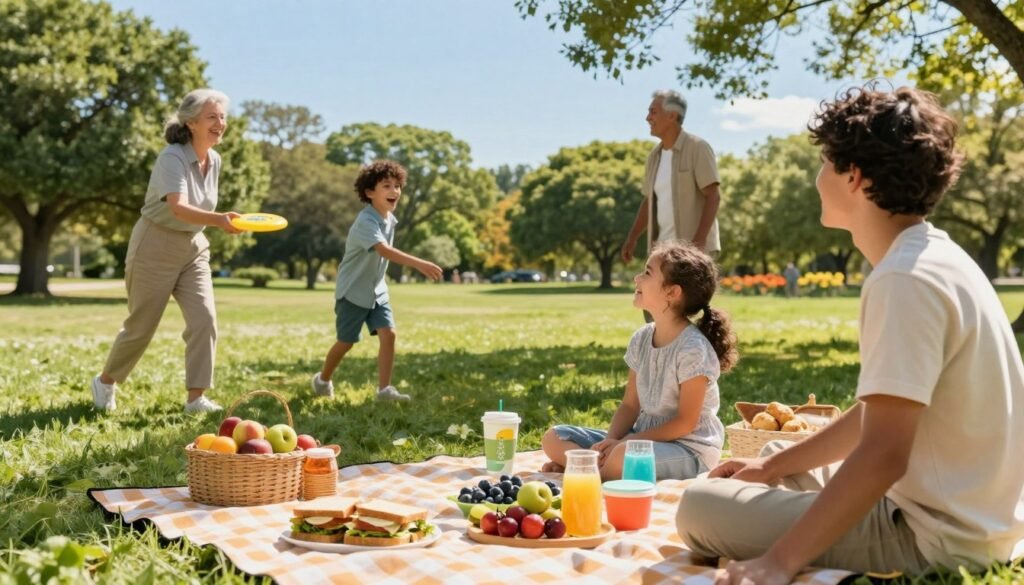
A family picnic can start with food already in the fridge and one simple plan: eat outside, then take a walk. Use what you have before buying supplies, and the day can feel like a gift without needing multiple tickets.
A good family activity gives everyone a way to join in without making the day a contest. These family experiences gift ideas can work for siblings or cousins together. They can also suit family gift ideas for the whole family when one-on-one time is hard to arrange.
Make a small plan around what you already have
Before choosing a plan, ask four quick questions:
- What does the family already enjoy doing?
- How much travel feels realistic?
- Can children of different ages join the activity?
- Can food or supplies come from home?
The answers can turn familiar things into a real event. A backyard campout might need only blankets, a flashlight, and a clear rain plan. A living-room fort can feel like a tiny hideaway, even if an adult must crawl inside with the grace of a folding chair.
A shared baking session lets children take different jobs, such as measuring, stirring, or decorating. A park picnic can include a walk, a game, or time to talk. These unique gift ideas for family do not depend on a pricey booking or a perfect forecast.
Turn a family day into the gift
Make the invitation clear: “I’m treating you to an afternoon together,” rather than “We’ll see what happens sometime.” That small difference helps children understand that the time is the gift. It also gives parents a real plan to consider instead of another vague promise drifting around the calendar.
For several children, choose a shared activity where each child can take part at their own pace. One might help stir batter while another decorates, and nobody needs to win a prize. Family experiences gift ideas can bring siblings or cousins together without turning the outing into a competition for attention.
If one child wants to talk and another wants to move, build both into the day. A walk to the picnic spot can lead to lunch and then a quiet game. Keep the plan loose enough to change if the youngest participant decides that lunch should happen immediately.
A home activity can still feel like a special occasion when you give it your attention. Matching the plan to the family matters more than making it elaborate. From there, consider which version will suit the child best.
How do you match an experience to a child’s age and interests?
One child may be all-in on animals, while another would rather make something at home. Follow the child who is in front of you now, not the old favorite you remember from two years ago.
The strongest choice fits the child’s current interests and the family’s practical limits. There is no single universal hit when someone asks, “What is the hottest gift right now?” A fun idea can fall flat if it clashes with the child’s needs or schedule.
For younger children, keep the plan short and flexible
Younger children often do better with a shorter plan and room to change course. Pick an activity with a clear snack or rest option, rather than a packed day with no easy exit. A good outing can end while everyone still feels good about it.
Ask the parents about current interests, access needs, sensory needs, and the child’s schedule. A child might love music but find a loud venue hard to manage. Knowing that in advance can help you choose an activity that feels inviting rather than overwhelming.
For older kids, let their current interests lead
Older children may prefer choosing the activity themselves or bringing a friend, if their parents agree. Their current hobby might be music, art, sports, animals, or something that changes every month. Asking what they enjoy now is more reliable than guessing from a gift list.
Family experience gift ideas for Christmas can include a shared outing or a home activity, but they work at other times of year too. Family gift ideas for Christmas also need to fit travel, access, and family plans. Check with the parents rather than assuming the holiday calendar is free.
If the child cannot choose, offer two clear options that fit your budget. That gives them a real say without turning gift giving into a committee meeting. Once the plan fits the child, a small personal touch can make it feel special before the activity begins.
How can you make the gift feel special before the outing?
A wrapped cookie cutter beside a note promising a baking afternoon can make a simple plan feel like a real occasion. A small clue adds a bit of fun without requiring a mountain of wrapping paper.
The experience is the gift, so any extra item should point toward it rather than become another toy. A handwritten note, a photo of you together, or a simple printed gift certificate gives the child something to open. Anticipation is part of the fun, too.
| Gift format | What the child opens | Personal touch | Best fit |
|---|---|---|---|
| Homemade coupon | One planned activity | Child’s name and a clear promise | Simple dates together |
| Printed gift card | Gift card or gift certificate | Note about the outing it supports | A paid venue or treat |
| Small companion item with a note | Cookie cutter or animal stickers | Link the item to the activity | Baking or a zoo visit |
| Framed photo with an outing plan | Photo of you together | Add a short invitation | A child who likes keepsakes |
A homemade coupon can name the activity and leave room for the child to choose a detail. A printed gift card works well when the venue sells one and you want the child to open something tangible. A gift certificate can serve the same role, as long as the plan feels clear.
Keep a companion item small and useful. Animal stickers can hint at a zoo visit, while a cookie cutter can set up a baking date. The extra is optional; it should point to the outing, not become the main event or another toy that needs a home.
A photo can make the invitation feel personal, especially when it recalls time the child already enjoyed with you. Keep the note warm and specific, not so grand that a rainy afternoon feels like a broken movie trailer. Before the gift leaves your hands, check the details with the parents and put a date on the calendar.
How can grandparents and grandkids turn a gift into real time together?
A lovingly chosen voucher can disappear into a drawer when nobody picks a date. Give the plan a time and a next step, so the promise does not become a household heirloom nobody remembers.
Ask the parents before you set details, since timing, travel, siblings, or a friend may affect the plan. Experience gifts for grandparents and grandkids work best when everyone knows who is going, where to meet, and what the child needs.
Pick a date and agree on the details, so the gift becomes time together instead of a forgotten voucher.
If you live nearby, choose a date and confirm the details
For a homemade coupon or pass, schedule the outing when you give it. Ask the parents about transport and whether siblings or a friend should join. A clear plan can also avoid the feeling that one child got special treatment while another watched from the sidelines.
If you live far away, make the plan easy to use
An emailed gift card can help when handing over a paper card in person is hard. Ask the parents before sending it, since they may need to coordinate timing, travel, or who accompanies the child. A digital gift still needs a plan to become shared time.
Use three follow-through checks before the outing:
- Ask the parents to confirm the date and logistics.
- Check venue rules and accessibility needs.
- Agree on who will accompany the child.
Text the parents with your proposed activity and two possible dates. That small message can move the gift from idea to calendar, where it has a much better chance of leaving the drawer.
Conclusion
A memorable gift does not need to arrive in a giant box. Choose for the child, not the toy aisle, and let the time you spend together become part of the gift.
A modest plan can feel special when it fits the child and works for the family. Send the parents a text with one idea and two possible dates. Your grandkid gets time with you, and the living room keeps a little floor space.